
The elderly are more likely to experience Urinary Tract Infections (UTI) and they can be more susceptible and vulnerable to them than the rest of the population.
A UTI is an infection that travels from your kidneys, through the ureters, the urinary bladder and out through the urethra.
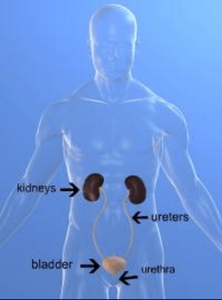
Elderly women and men often experience weakening of the muscles of the bladder. This leads to more urine retention in the bladder, poor bladder emptying, and incontinence. This in turn can lead to UTIs.
In many cases, UTI symptoms in elderly adults do not look the same as they do in younger individuals. While burning during urination or pelvic discomfort are common in the general population, older adults may instead show subtle or unexpected signs. Families often notice sudden confusion, unusual fatigue, balance problems, or changes in behavior before any urinary complaints appear. Because these symptoms can resemble dementia or other age-related conditions, urinary tract infections in seniors are frequently overlooked in their earliest and most treatable stages.
Table of Contents
Symptoms Of UTI in elderly:
Urinary tract infections can present differently in older adults, and the symptoms are not always obvious at first. In many cases, early changes may seem mild or unrelated to the urinary system. Understanding the common symptoms of UTI in elderly individuals is important because prompt treatment can prevent serious complications. Below are some of the most frequently reported warning signs to watch for.
- Cloudy urine
- Bloody urine
- Strong-smelling urine odor
- Pain/burning during urination
- Frequent/urgent need to urinate
- Pressure in the lower pelvis
- Low-grade fever
- Shaking, chills, night sweats
UTI Elderly Symptom Risk Factors:
Some older adults are more likely to develop a urinary tract infection due to underlying medical conditions or physical limitations. These risk factors can interfere with normal bladder function or increase exposure to bacteria. When these conditions are present, the likelihood of developing UTI symptoms in elderly individuals increases, making early awareness and prompt medical evaluation especially important.
- Urinary retention
- Using a urinary catheter
- Diabetes
- Kidney stones
- Bowel incontinence
- Enlarged prostate
- Immobility’
However, it is important to note that elderly people do not always exhibit the above symptoms. More often than not, a UTI in an elderly adult will rarely cause those symptoms and they might not experience pain or discomfort either.
Common warning signs in the elderly are urinary incontinence, confusion or sudden change in behavior. Many elderly patients do not show signs of fever because their immune system is unable to respond to the infection due to the effects of aging.
Moreover, UTIs in the elderly have been mistaken for dementia or Alzheimer’s because they can experience hallucinations, dizziness, poor motor skills, agitation, and other behavioral changes.
UTI Symptoms in Elderly Women
Older women face a higher risk of urinary tract infections due to natural changes that occur with aging. After menopause, decreased estrogen levels can weaken the protective lining of the urinary tract, making it easier for bacteria to grow and spread. In addition, incomplete bladder emptying and incontinence may further increase infection risk.
The UTI symptoms in elderly women may include the common urinary warning signs listed above, but they can also appear as sudden fatigue, mild pelvic discomfort, or noticeable changes in behavior. In some cases, confusion or agitation may develop before classic urinary symptoms become obvious. Because these changes are sometimes mistaken for normal aging or cognitive decline, infections may go untreated longer than they should.
Early recognition is especially important in elderly women, as delayed treatment can allow the infection to spread and lead to more serious complications.
If an elderly adult suffers from any of the above conditions, then they are more susceptible to developing a UTI. If left untreated, a UTI could also damage the kidneys. It can also cause a more serious condition known as urosepsis.
Urosepsis is a bacterial infection of the blood and is life-threatening. Symptoms include altered mental status, drop in blood pressure, rapid breathing and heart rates, decreased urinary output, and severe nausea and vomiting.
It is imperative that a UTI be treated at the earliest stage in order to ensure that there are no other complications or that it does not develop into a worse condition.
Sources of Information:
https://www.sepsis.org/sepsisand/urinary-tract-infections/
https://www.healthgrades.com/right-care/kidneys-and-the-urinary-system/urosepsis
https://www.agingcare.com/Articles/urinary-tract-infections-elderly-146026.htm
https://www.parentgiving.com/elder-care/understanding-urinary-tract-infections-elderly/
https://www.aplaceformom.com/caregiver-resources/articles/urinary-tract-infections