Table of Contents
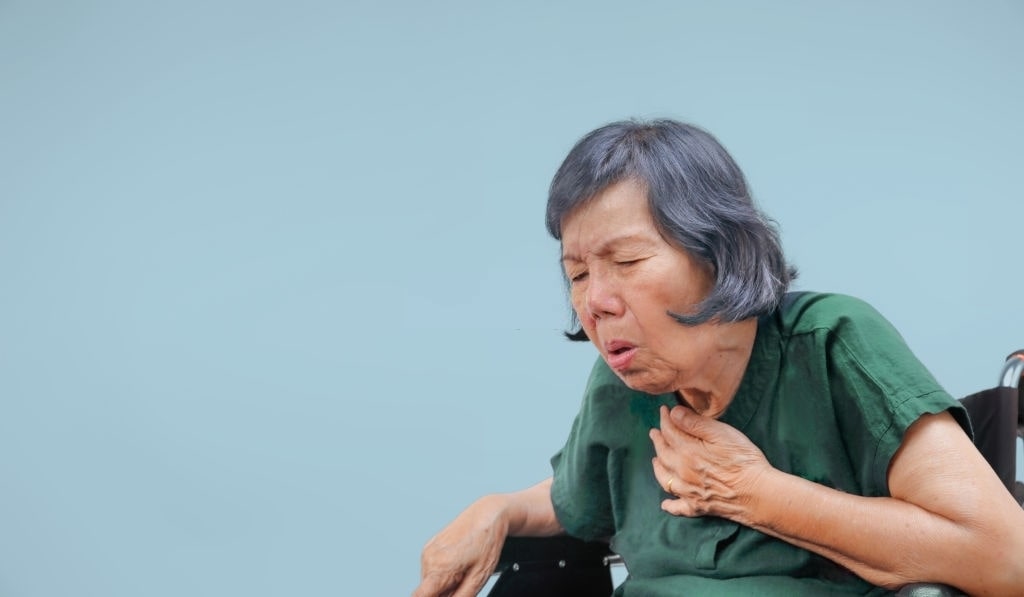
Choking in Elderly – Signs of Choking To Watch For
Choking in elderly is a serious issue and is one of the leading causes of death for adults over the age of 76. There has been a lot of research on choking in elderly or why exactly it happens or what medical conditions or eating habits aggravate it. If your loved one has been diagnosed with any of the following conditions in a nursing home or assisted living facility contact Moran Law : “Most Esteemed” Elder Abuse Attorney Firm in California. Also, check our Verdicts/Arbitration Awards/Settlements.
Causes of Choking in Elderly:
Following are the common causes of choking in elderly while eating that should closely be observed in order to prevent it.
- Eating too fast
- Trying to swallow large portions of food
- Eating foods that are the wrong texture when on a special diet
Signs of Choking in Elderly:
- Coughing
- Gagging
- Turning blue on face and lips
- Suddenly not able to speak
- Passing out
News Update on Elder Abuse Case:
A Nursing Home Resident Chokes on Chicken and Dies. Chef at fault! Orange County Elder Abuse Jury Verdict! $1.25 Million. ‘Choking-Chicken’ Case
Other Contributing Reasons for Choking in Elderly
In addition, other contributing reasons to choking in the elderly are
- Drinking alcohol
- Dentures
- Difficulty swallowing
- Health conditions like Parkinson’s disease
When these conditions occur in a nursing home and residents are not properly supervised during meals, families often consult an elderly choking lawyer to determine whether the facility followed appropriate care standards.
What is Dysphagia
Difficulty swallowing is known as Dysphagia. Dysphagia affects the muscles and nerves in the mouth and neck that are used for swallowing. This can cause trouble in being able to safely swallow foods and/or liquids.
Parkinson’s Disease
Parkinson’s disease is a progressive neurological disorder that develops when brain cells that control movement & coordination expire and/or become impaired. Elderly adults who suffer from Parkinson’s disease often experience difficulty in swallowing.
This swallowing difficulty occurs because Parkinson’s can affect the muscles involved in chewing and swallowing. When these muscles do not function properly, food may not move safely through the throat, which increases the risk of choking during meals. Early recognition of swallowing problems is important so that appropriate dietary adjustments and feeding precautions can be implemented.
Aspiration from Dysphagia
Some complications from dysphagia can arise when liquid or food enters your airway while swallowing. This is known as aspiration. When this happens, you can develop respiratory infections, such as aspiration pneumonia.
Swallowing Problems in the Elderly Dysphagia
In people with stroke, a common complication is poor nutrition due to limited intake of food, which can affect as many as 63% of stroke survivors. Poor nutrition is often caused by the inability to swallow food, which is a common residual for people post-status stroke.
The term “dysphagia” is used to describe the elderly with swallowing difficulties. It is important to pay special attention if that term is used in regard to your loved one because it triggers a number of different measures that must be implemented to protect your loved one from the risks of aspiration and choking.
Signs and Symptoms of Dysphagia in Elderly
- Food or drink leaving the mouth
- Gurgling voice after eating or drinking
- Coughing during or right after eating
- Extra effort or time needed to chew and swallow
- Frequent pneumonia or chest congestion after eating, and
- Weight loss and dehydration
- Swallowing Problems in the Elderly
Health Consequences of Dysphagia
There are also a number of different avoidable health consequences, caused by nursing home abuse/neglect, associated with dysphagia, including:
- Malnutrition in elderly
- Dehydration in elderly
- Nursing home choking
- Lung infections
- Urinary tract infection in elderly
- Nursing home pressure sores
- The decline in functioning
- Death
When choking incidents occur in a nursing home environment, families may consult an elderly choking lawyer to determine whether improper care contributed to the harm.
Aspiration pneumonia
Aspiration pneumonia is a serious illness and the elderly are more susceptible to it if they suffer from Parkinson’s disease and swallowing disorders like dysphagia. The leading cause of death in people who suffer from Parkinson’s disease is aspiration pneumonia. Moreover, patients who have Parkinson’s are also susceptible to choking to death when flood blocks the airway & they stop breathing.
If aspiration or choking occurs in a nursing home because swallowing disorders were not properly managed, an elderly choking attorney may evaluate whether the facility failed to provide appropriate care.
What To Do When Diagnosed with Dysphagia
If your loved one has been diagnosed with any of these conditions contact us for an elder abuse attorney in Los Angeles or an elder abuse attorney in Orange County.
Dysphagia Home Treatment
If your loved one is diagnosed with dysphagia, then it is important to make sure that he or she receives the appropriate diet. A dysphagia diet will consist of foods that are easy to chew and swallow. Foods that are in large chunks or pieces or that are very hard and cannot be chewed easily are to be avoided. Mechanically altered diets are defined by the National Dysphagia Diet Guidelines and are on a level system.
The National Dysphagia Diet guidelines apply to foods as well as liquids which may need to be altered as well depending on the person’s ability to swallow.
Feeding Tip for the Elderly
Here are some helpful tips to assist your loved one with safe feeding:
- Have the person sit upright for meals and for 30 minutes after to avoid aspiration.
- Make eating easier by putting a towel behind your loved ones’ backs and remembering to the chin to the chest when swallowing.
- Coaching may be needed by family members, with small reminders like chewing your food and swallowing multiple times.
- Making sure your family member is taking small bites and drinking small sips.
- Checking the cheeks for food left behind (or pocketed), after eating.
- Performing good oral hygiene after meals to decrease the risk of lung infections.
How To Prevent Choking in Elderly:
Understanding how to prevent choking in elderly individuals requires careful attention to swallowing ability, food texture, and supervision during meals. Many choking incidents occur when swallowing difficulties are not properly identified or managed. Caregivers and nursing home staff must follow proper feeding precautions to reduce this risk.
Preventive measures often involve medical evaluation, diet adjustments, and safe feeding practices. When swallowing disorders are present, specialized diets and monitoring become essential. Learning how to prevent choking in elderly residents helps families and care providers protect vulnerable seniors.
Why Are Older Persons at Risk for Choking?
Several age related changes can affect swallowing ability. Muscles used for chewing and swallowing may weaken over time. Slower reflexes can also delay the body’s response during swallowing.
Dental problems can also contribute to choking risk. Missing teeth or poorly fitted dentures may make chewing difficult. Large pieces of food may remain in the mouth and increase airway obstruction risk.
Medication side effects may also affect swallowing. Some medications reduce saliva production and create dryness in the mouth. This condition can make swallowing food more difficult.
Common factors that increase choking risk include:
| Risk Factor | How It Contributes to Choking |
|---|---|
| Weak throat muscles | Food may not move safely through the throat |
| Poor chewing ability | Large food pieces may block the airway |
| Reduced saliva production | Dry mouth makes swallowing difficult |
| Slower swallowing reflex | Delayed swallowing increases choking risk |
These changes often require closer supervision during meals.
What Factors Increase the Risk of Choking in Nursing Homes?
Residents in nursing homes often have complex medical needs. Many require special diets or feeding assistance during meals. When these precautions are ignored, choking risks increase significantly. Several facility related factors may increase choking risk.
| Risk Factor | Explanation |
|---|---|
| Inadequate supervision | Residents may eat without assistance or monitoring |
| Incorrect food texture | Food may not match the prescribed dysphagia diet |
| Failure to follow care plans | Dietary and swallowing precautions may be ignored |
| Understaffing during meals | Staff may not assist residents who require help |
Care facilities must closely follow dietary orders and swallowing precautions. Monitoring residents during meals helps detect swallowing difficulties early. If a nursing home fails to follow dietary orders or feeding precautions, an elderly choking attorney can evaluate whether the facility breached its duty of care.
Can Dysphagia Cause Choking in the Elderly?
Yes. Dysphagia is a common swallowing disorder in older adults. The condition affects the muscles and nerves used for swallowing. When swallowing coordination is impaired, food may enter the airway instead of the stomach.
This condition can lead to choking or aspiration. Aspiration occurs when food or liquid enters the lungs. Aspiration may cause respiratory infections such as aspiration pneumonia. Dysphagia is often linked to neurological or medical conditions.
| Medical Condition | Impact on Swallowing |
|---|---|
| Stroke | Weakens muscles responsible for swallowing |
| Parkinson’s disease | Reduces coordination of swallowing movements |
| Dementia | Affects the brain’s ability to control swallowing |
| Neurological disorders | Disrupt nerve signals required for safe swallowing |
What Diet Helps Prevent Choking in the Elderly?
Diet modifications play an important role in how to prevent choking in elderly individuals with swallowing difficulties. Certain food textures are easier to swallow and reduce choking risk. The National Dysphagia Diet categorizes food textures based on swallowing ability.
| Diet Level | Food Texture | Recommended For |
|---|---|---|
| Level 1 – Pureed | Smooth, pudding like foods | Moderate to severe dysphagia |
| Level 2 – Mechanically Altered | Soft foods cut into small pieces | Mild to moderate dysphagia |
| Level 3 – Advanced | Soft bite sized foods with more texture | Mild swallowing difficulty |
Liquids may also require thickening for individuals who cannot safely swallow thin liquids. Proper diet selection helps prevent choking and improves nutritional intake.
Level 1 – Pureed Nutrition Therapy
For moderate to severe dysphagia.
- Pureed
- “Pudding-like” consistency
| PUREED NUTRITION THERAPY | |
| Beverages | Any smooth, homogenous beverages without chunks or pulp. Beverages can be thickened to the appropriate consistency. |
| Desserts | Smooth puddings, custards, yogurt |
| Fruits | Apple sauce, pureed fruit, fruit juices without seed or pulp |
| Meats | Pureed meats |
| Vegetables | Pureed vegetables without chunks |
Level 2 – Mechanically Altered Nutrition Therapy
For mild to moderate dysphagia.
- Food that is moist
- Soft-textured
- Chopped to no larger than 1/4 inch cubed or the size of a dime
- All foods that can be given for Level 1 can be given to individuals who are appropriate for Level 2.
| MECHANICALLY ALTERED NUTRITION THERAPY | |
| Beverages | Milk, juices, coffee, tea, sodas.Beverages can be thickened to the appropriate consistency. |
| Desserts | Pudding, custard, canned fruit, soft fruit pies with a bottom crust only, soft, moist cakes with icing. |
| Fruits | Soft drained canned or cooked fruits without seeds or skin, soft/ripe banana. |
| Meats | Moistened ground meat, tender cut meat/fish chopped to no larger than 1/4 inch or the size of a dime. |
| Vegetables | Any vegetable as long as it is prepared soft and well-cooked, and chopped to no larger than 1/4 inch. Should be easily mashed with a fork. |
Level 3 – Advanced Nutrition Therapy
For mild dysphagia.
- Food that is moist
- Bite-sized, but with a more regular texture.
| ADVANCED NUTRITION THERAPY | |
| Beverages | Milk, juices, coffee, tea, sodas.Beverages can be thickened to the appropriate consistency. |
| Desserts | Any desserts except dry cakes, or cookies that are chewy or dry. |
| Fruits | All canned and cooked fruits. Soft peeled fruits like peaches, nectarines, mangoes, cantaloupe, honeydew, seedless watermelon, and soft berries. |
| Meats | Thin-sliced, tender, or ground meats and poultry. |
| Vegetables | All cooked, tender vegetables. |
Safe Feeding Practices to Prevent Choking in the Elderly
Proper feeding techniques help reduce choking risks during meals. Caregivers should ensure that the person maintains an upright sitting position while eating.
Other feeding precautions may also reduce choking incidents.
Important safety practices include:
Encourage small bites and slow chewing
Allow enough time for swallowing between bites
Ensure the person remains seated upright after meals
Check for food remaining in the mouth after eating
Provide assistance for individuals with swallowing difficulties
Supervision during meals allows caregivers to identify early warning signs of swallowing problems. Repeated choking incidents in a care facility may indicate inadequate supervision during meals. Families sometimes consult an elderly choking lawyer to investigate possible neglect.
When Should a Swallowing Evaluation Be Performed?
A swallowing evaluation may be necessary when an elderly person shows signs of difficulty swallowing. Early assessment can help identify swallowing disorders before serious complications occur.
Signs that may require evaluation include:
coughing during meals
difficulty swallowing food or liquids
frequent choking episodes
unexplained weight loss
repeated respiratory infections
Speech pathologists often perform swallowing evaluations. One common test is the Modified Barium Swallow Study. This imaging test allows specialists to observe swallowing function in real time.
Early diagnosis allows caregivers to implement proper diet adjustments and safety measures. These evaluations are an important step in learning how to prevent choking in elderly individuals and improving meal safety.
Choking Treatment
Some choking treatment and prevention options include exercises and swallowing techniques to help coordinate swallowing muscles and nerves. Another treatment involves learning ways to put food in your mouth and to position your head and body to allow you to swallow effectively. A modified liquid diet that consists of specific food and liquid textures can help you swallow more successfully. In more severe instances, a feeding tube may need to be implemented in order to circumvent the problems associated with swallowing and choking.
A speech therapist and a registered dietician can help plan out what appropriate treatment steps need to be taken.
If you or a loved one has experienced nursing home choking in elderly, please contact one of our elder abuse attorneys in California.
Sources of Information: