Table of Contents
What is Board and Care in California?
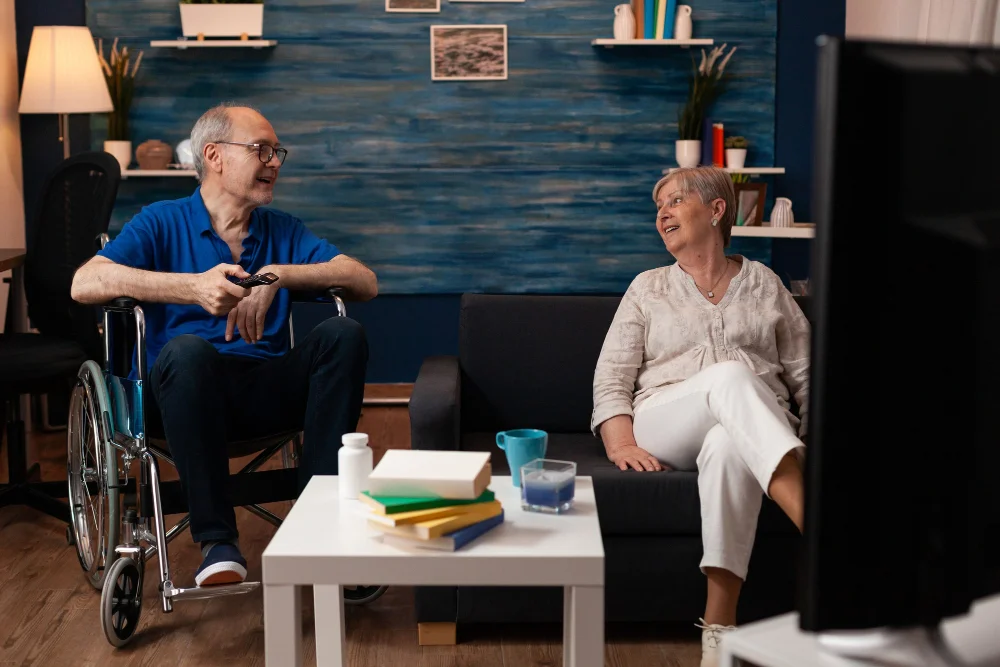
What is Board and Care in California? It refers to a residential care option for seniors. Board and Care in California refers to a residential care option catering to individuals requiring assistance with daily living activities. These homes offer a more intimate and home-like atmosphere compared to larger facilities. Licensed and regulated, they provide housing, meals, and personalized care for seniors who may not require the extensive services of a skilled nursing facility. Board and Care homes focus on creating a supportive environment, often with higher staff-to-resident ratios, ensuring a more individualized approach to care. This option is ideal for those seeking a smaller, more personalized setting while still receiving the necessary support for daily activities. The board and care meaning generally refers to a licensed residential home that provides housing, supervision, and assistance with daily living in a non institutional environment.
Smaller residential homes that provide supervision and daily assistance are sometimes described as a boarding care facility, particularly in informal discussions about senior housing. In California, however, these homes operate under the legal framework for Residential Care Facilities for the Elderly, which requires state licensing, regulatory oversight, and ongoing compliance with safety and staffing standards.
Assisted Living vs Board and Care Homes
When considering senior living options, understanding the differences between Board and Care and assisted living is essential. While both provide support for daily living activities, they differ in size, services, and overall atmosphere.
What is an Assisted Living Facility?
Assisted living facilities are designed for seniors who seek a balance between independence and support. Typically larger in scale, they offer apartment-style living with private or shared rooms. Residents receive assistance with activities of daily living (ADLs) such as bathing, dressing, and medication management. Assisted living facilities often provide a broad range of amenities and social activities, promoting an active and engaging lifestyle.
What is a Board and Care Home?
What is Board and Care in California’s significance? It caters to those who may find larger facilities overwhelming. Board and Care homes offer a more intimate, home-like setting. These smaller residences provide personalized care with a higher staff-to-resident ratio. Board and Care homes often have private or semi-private rooms, creating a cozy environment. While they also assist with ADLs, the focus is on individualized attention and a close-knit community. This option is suitable for those who prefer a more personal touch and may find larger facilities overwhelming.
Comparison Table: Board and Care vs Assisted Living
| Aspect | Assisted Living | Board and Care Homes |
| Living Environment | Larger facilities with apartment-style living | Smaller, more residential and home-like |
| Private Room | Private or shared rooms with communal spaces | Private or semi-private rooms |
| Differences in Care | Broader range of services and amenities | More personalized care with higher staff ratio |
| Availability | Staff available 24/7 for assistance | Intimate setting with individualized attention |
| Cost | Varies based on location and amenities | Varies based on location and care level |
| Ideal Residents | Those needing assistance with ADLs | Individuals who prefer a smaller, home-like setting |
| What to Look For | Licensing, staff qualifications, amenities | Licensing, staff qualifications, atmosphere |
Is Board and Care the Same as Assisted Living?
What Board and Care in California apart is its more personalized and home-like atmosphere. While board and care homes and assisted living facilities share commonalities in providing residential care for seniors, several key differences set them apart.
Similarities – Board and Care vs Assisted Living:
- Residential Setting: Both Board and Care homes and assisted living facilities offer a residential setting, providing seniors with a home-like environment rather than a clinical one.
- Assistance with Daily Living: Both types of facilities provide assistance with activities of daily living (ADLs) such as bathing, dressing, and medication management, catering to individuals who require support while maintaining independence.
- Social Opportunities: Seniors in both settings have opportunities for socialization through organized activities, communal dining, and shared common spaces, fostering a sense of community.
- Regulation and Licensing: Both Board and Care homes and assisted living facilities are regulated and licensed by the state to ensure the safety, well-being, and quality of care provided to residents.
Difference Between Board and Care and Assisted Living
Understanding the Difference Between Board and Care and Assisted Living is important for families evaluating long term care options in California. Although both settings provide housing and assistance for elderly who need help with daily activities, the structure, scale, and level of individualized attention can vary significantly. These differences may also affect the type of supervision provided, staffing levels, and overall resident safety, which can become relevant in situations involving neglect or inadequate care.
Although assisted living communities and smaller homes differ in size and structure, both must comply with specific board and care facility requirements when operating under California’s residential care regulations. These requirements govern supervision levels, staff qualifications, emergency preparedness, and resident safety protocols.
- Size and Scale: Assisted living facilities are typically larger, offering apartment-style living with a variety of floor plans. Board and Care homes, on the other hand, are smaller, providing a more intimate and homely atmosphere.
- Room Configuration: Assisted living facilities often offer private or shared rooms within larger apartment units. Board and Care homes may provide private or semi-private rooms, emphasizing a cozier, more personal environment.
- Staff-to-Resident Ratio: Board and Care homes generally have a higher staff-to-resident ratio, allowing for more personalized care and attention compared to the larger scale of assisted living facilities.
- Scope of Services: Assisted living facilities usually offer a broader range of services and amenities, including more extensive recreational activities, wellness programs, and specialized care options. Board and Care homes focus on a more individualized approach to care.
Board and Care Licensing Requirements California
In California, board and care homes operate as Residential Care Facilities for the Elderly and must be licensed by the California Department of Social Services. State licensing establishes minimum operational and safety standards that facilities must meet before providing care to elderly residents.
Families often research board and care facility requirements to understand what standards a facility must meet before accepting residents. In California, these requirements go beyond basic housing and include safety compliance, staff training protocols, resident supervision policies, and documentation standards designed to protect vulnerable seniors. While licensing sets minimum operational rules, facilities are expected to consistently follow these requirements in daily practice to ensure resident safety and prevent neglect.
Licensing requirements generally include the following:
- Administrator Certification
Each facility must have a certified administrator who completes state required training and maintains ongoing continuing education to remain in compliance. - Criminal Background Clearances
Owners, administrators, and staff members must undergo fingerprint based background checks to ensure they are legally permitted to work with elderly residents. - Staff Training Requirements
Staff must receive training in assisting with activities of daily living, medication assistance, dementia care where applicable, emergency response procedures, and recognition of medical distress. - Individualized Resident Care Plans
Facilities must assess each resident’s needs and develop a written care plan that outlines required supervision, assistance levels, and any medical or cognitive considerations. - Supervision and Staffing Standards
Facilities are required to provide sufficient supervision based on the condition and needs of residents. Staffing must be adequate to ensure safety and proper assistance at all times. - Health and Safety Compliance
Board and care homes must comply with fire safety regulations, maintain safe building conditions, implement emergency preparedness procedures, and follow food handling and sanitation standards. - Medication Management Procedures
Facilities must follow state guidelines when assisting residents with medications, including proper documentation and safe storage practices.
While licensing establishes baseline requirements, compliance failures can expose a facility to liability. Violations involving understaffing, inadequate supervision, failure to follow care plans, or neglect of medical needs may form the basis of an elder abuse or wrongful death claim under California law. Licensing approval does not eliminate legal responsibility when standards are not met.
Who Should Live at a Board and Care?
Board and Care homes are particularly well-suited for individuals who value a more intimate and personalized living environment. Some families researching senior housing may also search what is boarding care, which is commonly used as an informal variation when referring to board and care homes for older adults. While searching board and care home must consider the staff is skilled because elder abuse is common in living facilities by untrained staff.
This type of boarding care environment can be especially appropriate for individuals who require daily supervision but do not need the advanced medical services provided in a skilled nursing facility.
These smaller residential settings are often structured as a boarding care model, where a limited number of residents receive supervision, meals, and assistance with daily activities in a private home environment rather than a large institutional facility.
Here are specific considerations for those who may find Board and Care homes ideal:
Preference for Intimate Settings:
For those who value personalized care and a homely atmosphere, Board and Care in California is an ideal choice.
- Individuals who Prefer a Homely Atmosphere: Seniors who feel more comfortable and at ease in smaller, residential settings.
- Those Seeking a Cozy Environment: Individuals who appreciate the warmth and familiarity of a home-like setting as opposed to larger, more institutional facilities.
Need for Personalized Attention:
- Higher Staff-to-Resident Ratio: Seniors who benefit from a higher level of individualized care and attention due to a more favorable staff-to-resident ratio.
- Specific Health or Care Needs: Individuals with unique health requirements that may be better addressed in a smaller, more closely monitored setting.
Difficulty Navigating Larger Spaces:
- Mobility Challenges: Seniors who face difficulties navigating larger spaces due to mobility issues or other physical limitations.
- Prefer Smaller Footprint: Those who find extensive facilities overwhelming and prefer a more manageable and accessible living space.
Desire for a Close-Knit Community:
- Value Personal Connections: Individuals who prioritize forming close relationships with both staff and fellow residents.
- Enjoying a Sense of Belonging: Seniors who appreciate being part of a tight-knit community where they can interact and engage with others on a more personal level.
How Much Do Board & Care Homes Cost?
Understanding the cost structure of Board and Care homes is essential for families planning senior care. The expenses can vary based on several factors, and having a clear understanding ensures financial preparedness.
Cost Factors:
The cost of Board and Care in California varies based on factors such as location and level of care needed.
- Location:
- Urban vs. Rural: Prices can significantly differ based on the geographical area, with urban locations generally being more expensive than rural ones.
- Regional Cost of Living: Areas with a higher overall cost of living may have increased Board and Care home costs.
- Level of Care Needed:
- Basic vs. Intensive Care: The extent of assistance required for daily living activities influences the cost, with more intensive care plans potentially incurring higher fees.
- Specialized Health Needs: Individuals with specific health conditions may require additional care, impacting overall costs.
- Amenities and Services:
- Included vs. Additional Services: Facilities offering additional amenities, such as specialized meal plans, transportation services, or recreational programs, may have higher monthly costs.
- Wellness Programs: Access to wellness programs and additional services may contribute to increased fees.
- Room Configuration:
- Private vs. Shared Rooms: Private rooms typically cost more than shared ones, offering residents more personal space.
- Room Size and Layout: The overall layout and size of the room can influence pricing, with larger or more strategically designed rooms potentially incurring higher costs.
What to Look for in a Board and Care Home
When selecting a Board and Care home for a loved one, it’s essential to consider various factors to ensure a comfortable and safe living environment.
Licensing and Certification:
Licensing and certification ensure that Board and Care homes in California adhere to state regulations.
- State Licensing: Confirm that the facility is licensed by the state regulatory authority, ensuring compliance with safety and care standards. Verify the current status of the license to ensure it is up-to-date.
- Certification for Specialized Care: Check if the facility has additional certifications for specialized care, especially if your loved one has specific health needs.
Staff Qualifications:
Staff qualifications, including training and certification, contribute to the quality of care provided. When evaluating a smaller residential setting that operates as a boarding care facility, families should review inspection history, confirm active licensing status, and request documentation showing compliance with state staffing and supervision standards. A properly regulated home must demonstrate consistent adherence to health and safety obligations.
- Training and Certification: Inquire about the qualifications, training, and certification of staff members providing care. Ensure that staff is trained to handle emergencies and can provide the necessary assistance.
- Staff-to-Resident Ratio: Evaluate the staff-to-resident ratio to ensure there are enough caregivers to provide personalized attention and care.
Living Environment:
Cleanliness, safety, and a comfortable living environment are crucial aspects of Board and Care in California.
- Cleanliness and Safety: Assess the overall cleanliness and safety of the facility, including common areas and individual living spaces. Look for safety features such as handrails and adequate lighting.
- Comfort and Privacy: Ensure that residents have comfortable and private living spaces that meet their needs and preferences.
Social Activities:
Engaging social activities contribute to the sense of community in Board and Care homes.
- Activity Programs: Inquire about the variety and frequency of organized social activities and recreational programs. Check if activities cater to diverse interests and abilities.
- Community Engagement: Assess how the facility promotes community engagement and encourages residents to interact with each other.
Meal Options:
Meal options in Board and Care homes consider nutritional needs and dietary preferences.
- Dining Services: Review the quality and variety of meal options provided by the facility.Inquire about any special dietary accommodations and the flexibility of meal schedules.
- Nutritional Considerations: Ensure that meals are nutritionally balanced and meet the specific dietary needs of residents.
Residents’ Feedback:
Residents’ feedback offers valuable insights into the day-to-day experiences of living in Board and Care homes.
- Talk to Current Residents: Seek feedback from current residents and their families to gain insights into the day-to-day experiences at the facility. Inquire about the responsiveness of staff to residents’ needs and concerns.
- Online Reviews and Testimonials: Look for online reviews and testimonials from other families who have had experience with the Board and Care home. Consider both positive and negative feedback to make an informed decision.
Conclusion
In essence, What is Board and Care in California? It’s a tailored residential care option providing a supportive and enriching environment for seniors. When navigating senior living options in California, understanding the distinctions between Board and Care homes and assisted living facilities is paramount. It’s also necessary to know if your loved one faces any issue in board and care home Moran Law is the legal authority who can help you in California. While both cater to individuals requiring support, the unique characteristics of Board and Care homes, such as a more intimate setting, higher staff-to-resident ratio, and personalized care, make them an appealing choice for those who value a homely atmosphere. When deciding on the ideal senior living arrangement, considering factors like location, cost, amenities, and the specific needs and preferences of the resident ensures a well-informed decision. For those seeking a more personalized and close-knit environment, exploring what Board and Care in California entails becomes essential.